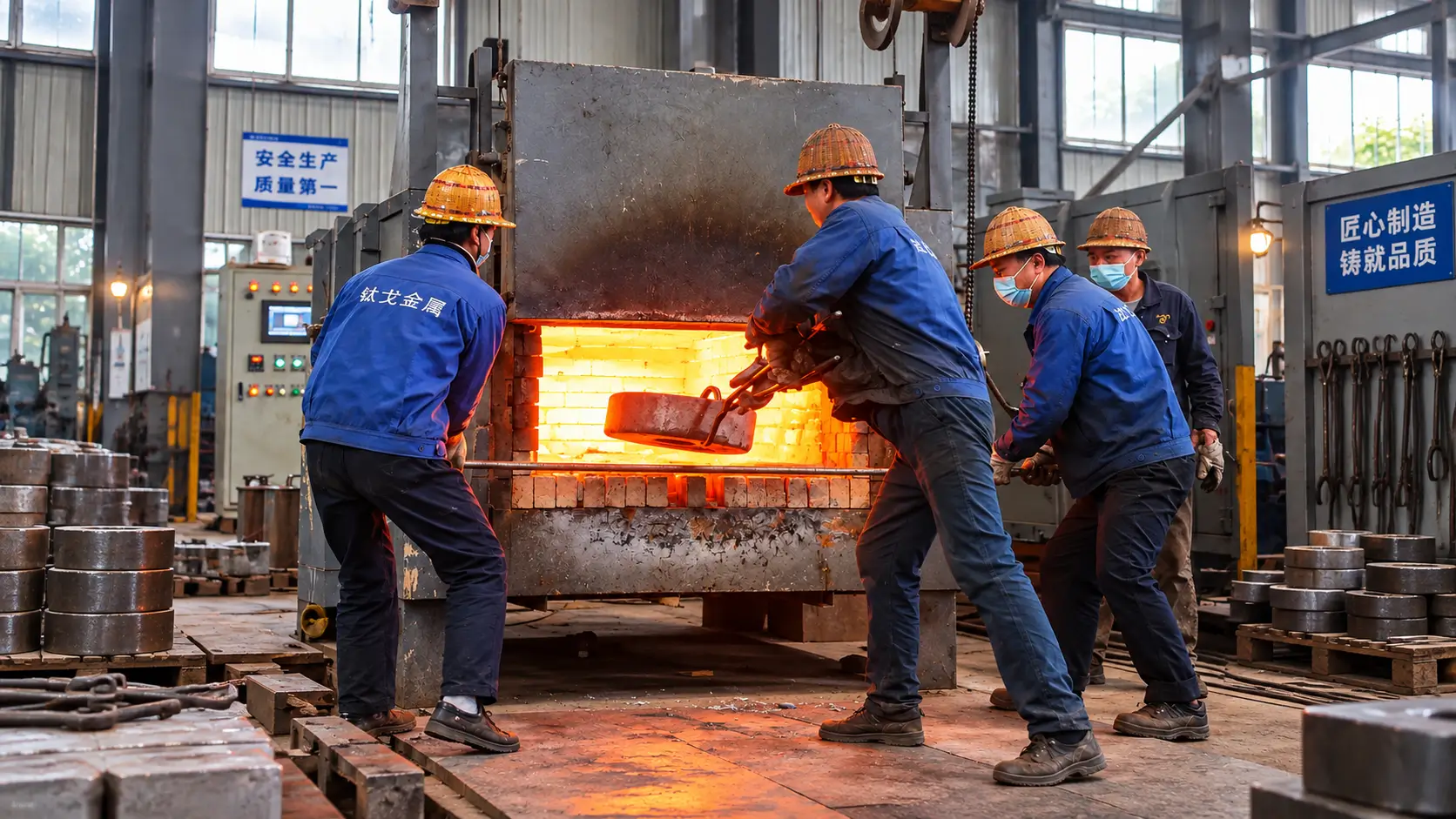
Titanium Forging Manufacturing
Titanium Forging Solutions

Custom Titanium Forgings for Rings, Discs, Shafts and OEM Components

Direct-to-industry production of high-performance titanium forged rings, discs, shafts, blocks, flanges, and custom blanks. Engineered with refined grain flow, controlled forging ratios, and ASTM B381 traceability for aerospace, marine, medical, chemical, and high-load industrial applications.

ASTM B381 / ASME SB381
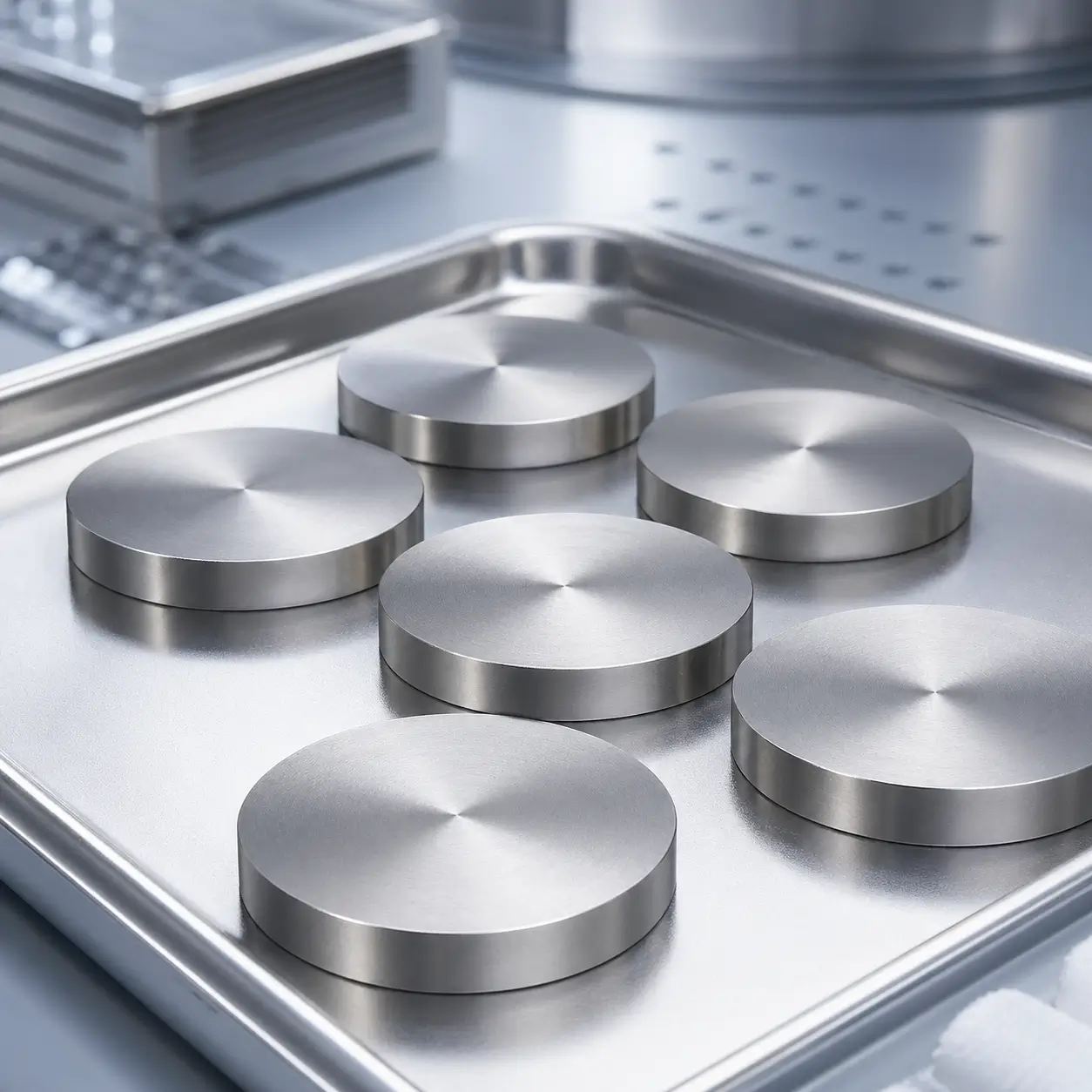
Rings, Discs, Shafts, Blocks & Flanges
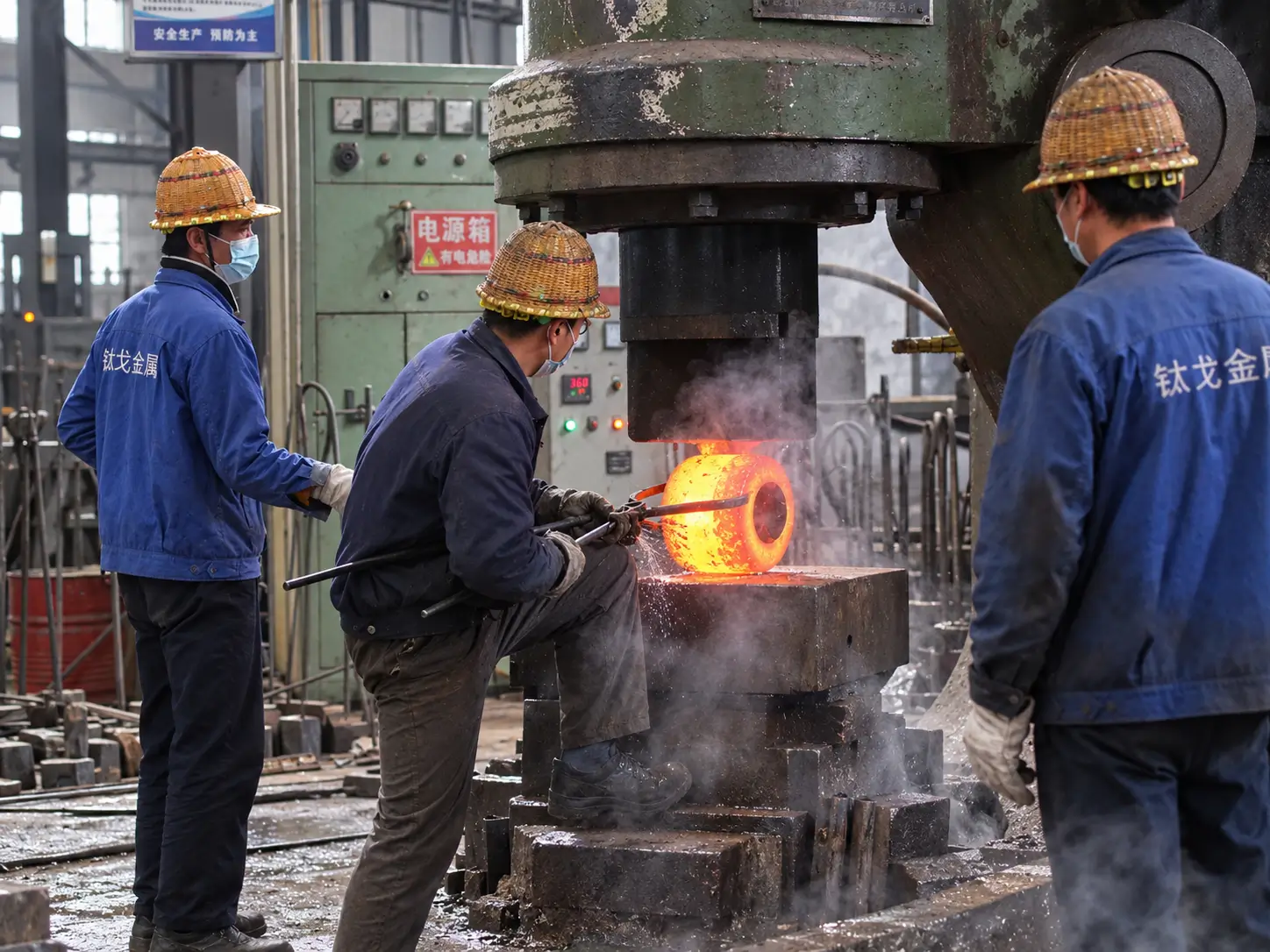
Open-Die / Closed-Die / Rolled Ring
100% UT / PT / NDT Support
EN 10204 3.1 MTC Traceability
Beyond a Titanium Block

Forging Details That Decide Strength, Machinability and Final Part Reliability

The right forging route supports mechanical performance. The right machining allowance improves final part accuracy and production efficiency.

Titanium forgings may look like simple rings, discs, shafts or blocks, but final performance depends on titanium grade, forging type, forging ratio, grain flow, heat treatment, machining allowance, final geometry, NDT requirement, mechanical properties and inspection records. If forging route, machining allowance or inspection requirements are not reviewed early, projects may face material waste, machining problems, dimensional risk, delayed approval or unnecessary cost.

Hele Titanium supplies titanium forged rings, rolled rings, forged discs, forged shafts, forged bars, forged blocks, forged flanges and custom titanium forged components for industrial, marine, chemical, energy and OEM applications. We support grade selection, forging route review, machining allowance discussion, heat treatment review, NDT inspection when required, traceability and export documentation according to project requirements.

Forging Type Selection

Choose forged rings, rolled rings, forged discs, shafts, bars, blocks, flanges or custom forged components according to final part geometry and application needs.

Grade Matching

Review Grade 2, Grade 5, Grade 7, Grade 9, Grade 12 and other titanium grades according to strength, corrosion resistance, toughness, machining and service environment.

Forging Route & Machining Review

Support open-die forging, closed-die forging, rolled-ring forging, forging ratio, grain flow, heat treatment and machining allowance review when applicable.

Inspection & Documentation

Mechanical testing, UT, PT, PMI, dimensional inspection, MTC, heat number traceability and export documents can be supported when required.

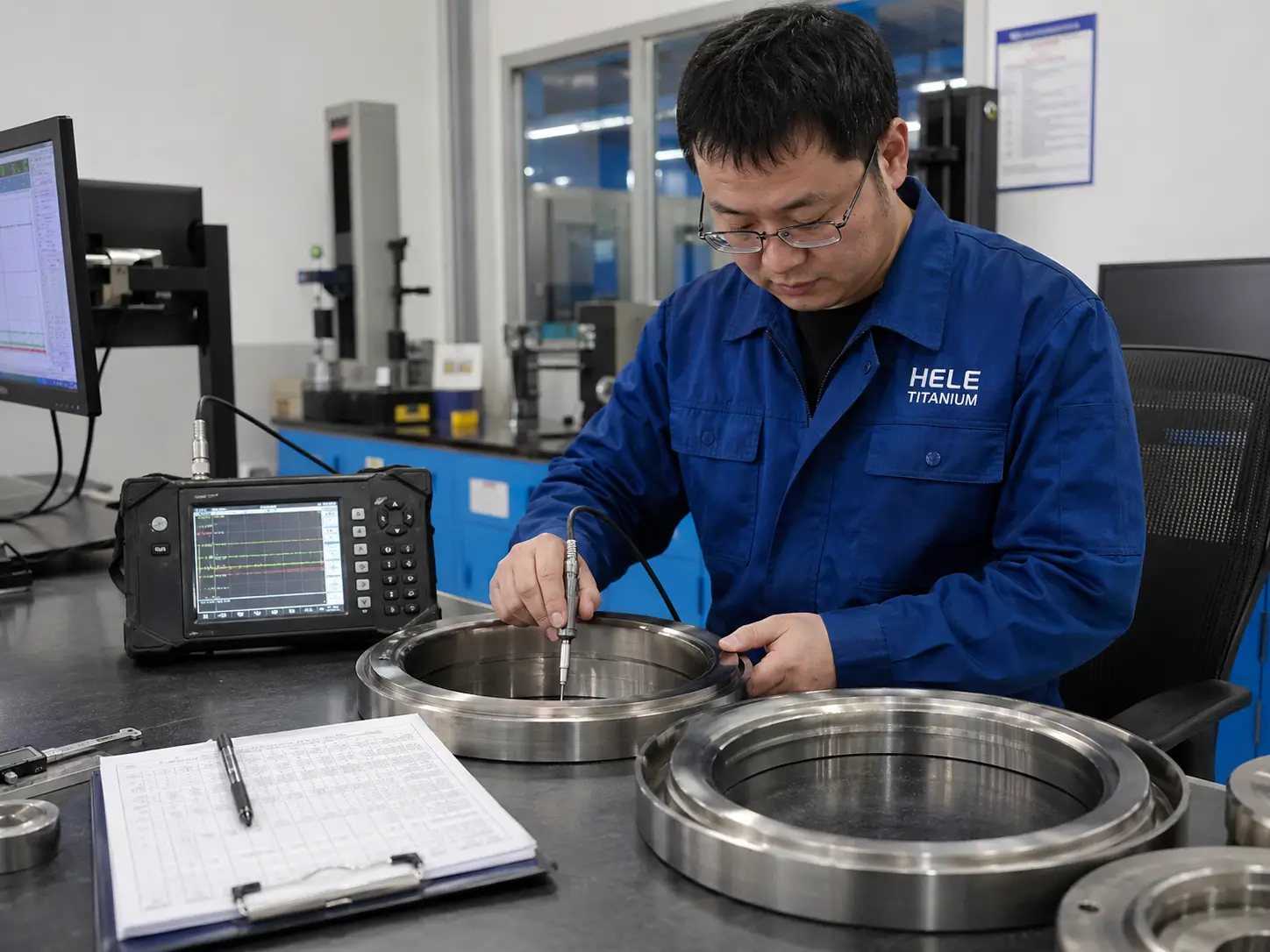
Chinese engineer inspecting titanium forged rings, discs, shafts and technical drawings in a forging and machining quality inspection area

Supply Forms

Forged Rings / Rolled Rings / Forged Discs / Shafts / Bars / Blocks / Flanges / Custom Forgings

Material Options

Grade 2 / Grade 5 / Grade 7 / Grade 9 / Grade 12 available for review

Forging Support

Open-die forging, closed-die forging, rolled-ring forging and drawing-based forging review

Machining Support

Machining allowance, rough machining, CNC machining and final geometry review when applicable

Inspection Support

Mechanical testing, dimensional inspection, UT, PT and PMI when required

Documentation Support

MTC, heat number traceability, inspection records, packing list and export documents

Designed for: chemical equipment, marine systems, pump and valve components, heat exchangers, pressure equipment, energy systems, hydrogen equipment, electrochemical systems, OEM machined parts and custom industrial titanium forging projects.

Product Range

Titanium Forging Product Range

Hele Titanium supplies titanium forged rings, rolled rings, forged discs, forged shafts, forged bars, forged blocks, forged cylinders, forged sleeves, forged flanges, forged nozzles and custom titanium forged components for industrial, marine, chemical, energy, electrochemical and OEM machining applications. Product selection can be reviewed according to titanium grade, forging type, final geometry, machining allowance, heat treatment, mechanical property requirements, NDT scope and documentation needs.

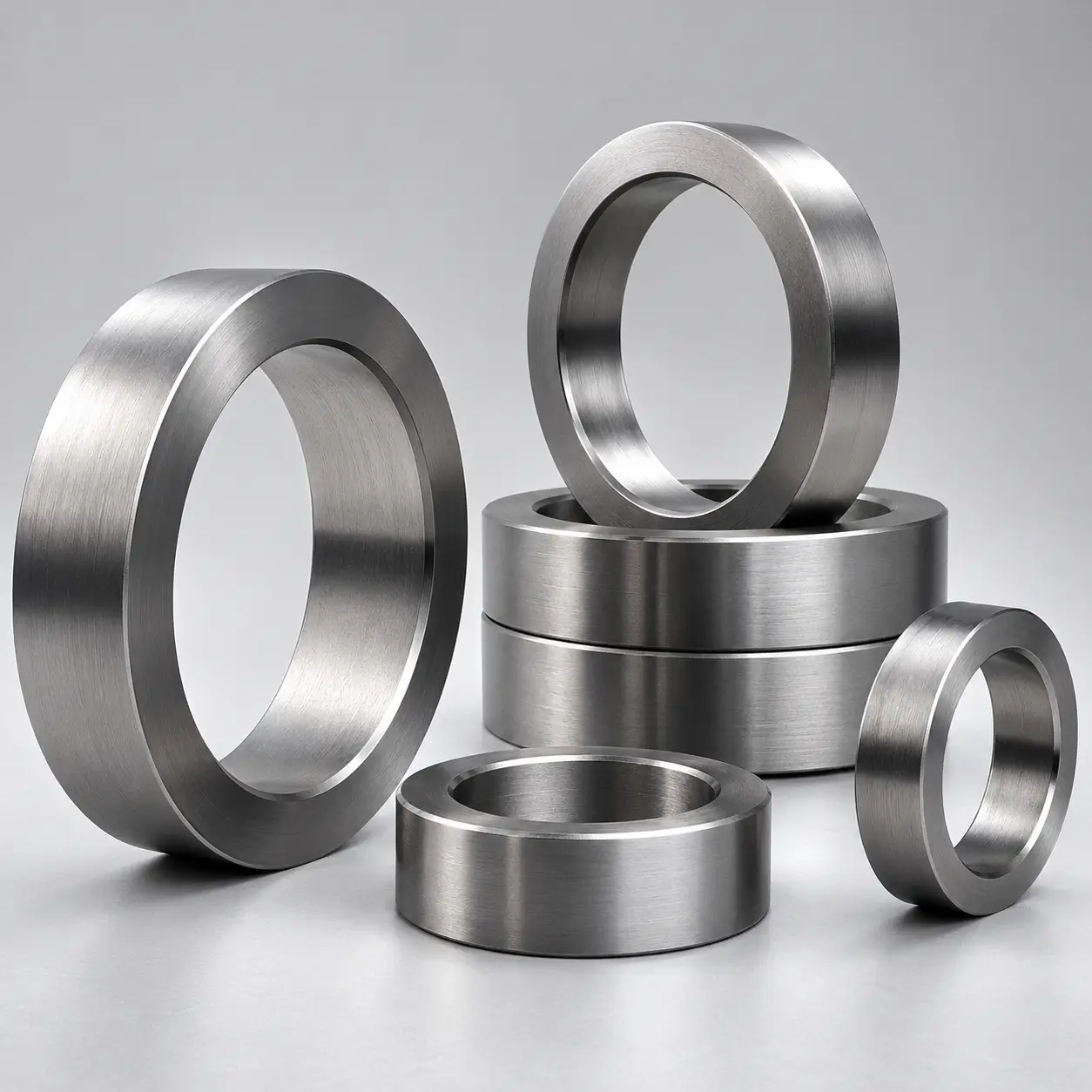
Titanium Forged & Rolled Rings

Titanium Forged & Rolled Rings

For flange blanks, sealing rings, rotating parts, pressure equipment and large-diameter circular components.

Best For Flange blanks, sealing rings, pressure equipment, rotating assemblies, marine components and large-diameter machined parts.
Available Options Open-die forged rings, seamless rolled rings, rough machined rings, custom OD / ID rings, thick-wall rings and drawing-based ring forgings.
Key Review Factors Titanium grade, OD, ID, height, wall thickness, forging route, rolled ring requirement, grain flow, machining allowance, UT requirement and documentation.
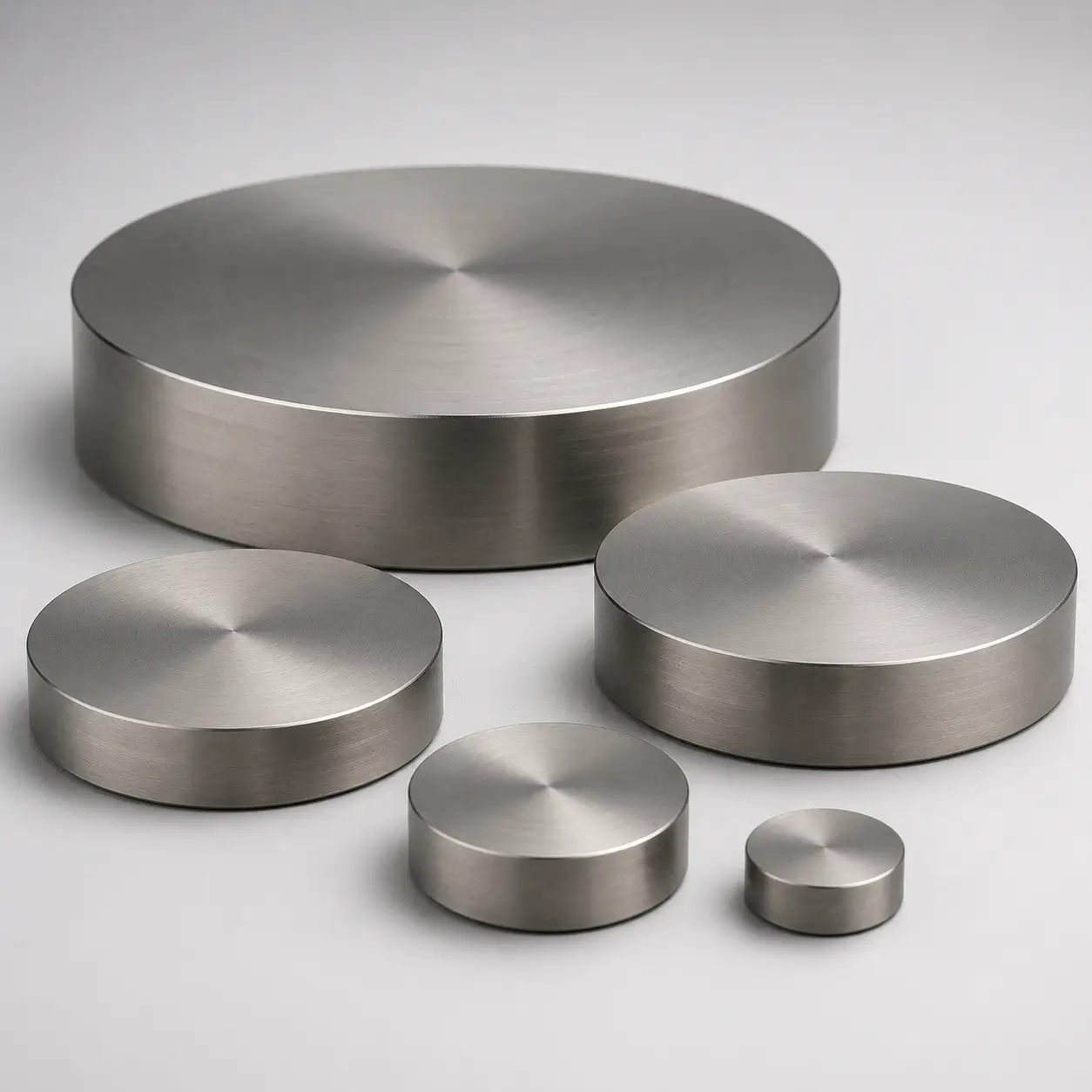
Titanium Forged Discs

Titanium Forged Discs

For pressure parts, cover plates, valve components, rotating parts and machined round components.

Best For Valve parts, cover plates, pressure components, round machined parts, pump components and OEM disc-shaped forgings.
Available Options Forged discs, rough machined discs, custom thickness discs, round blanks and drawing-based forged disc components.
Key Review Factors Diameter, thickness, titanium grade, machining allowance, flatness, mechanical properties, heat treatment and inspection scope.
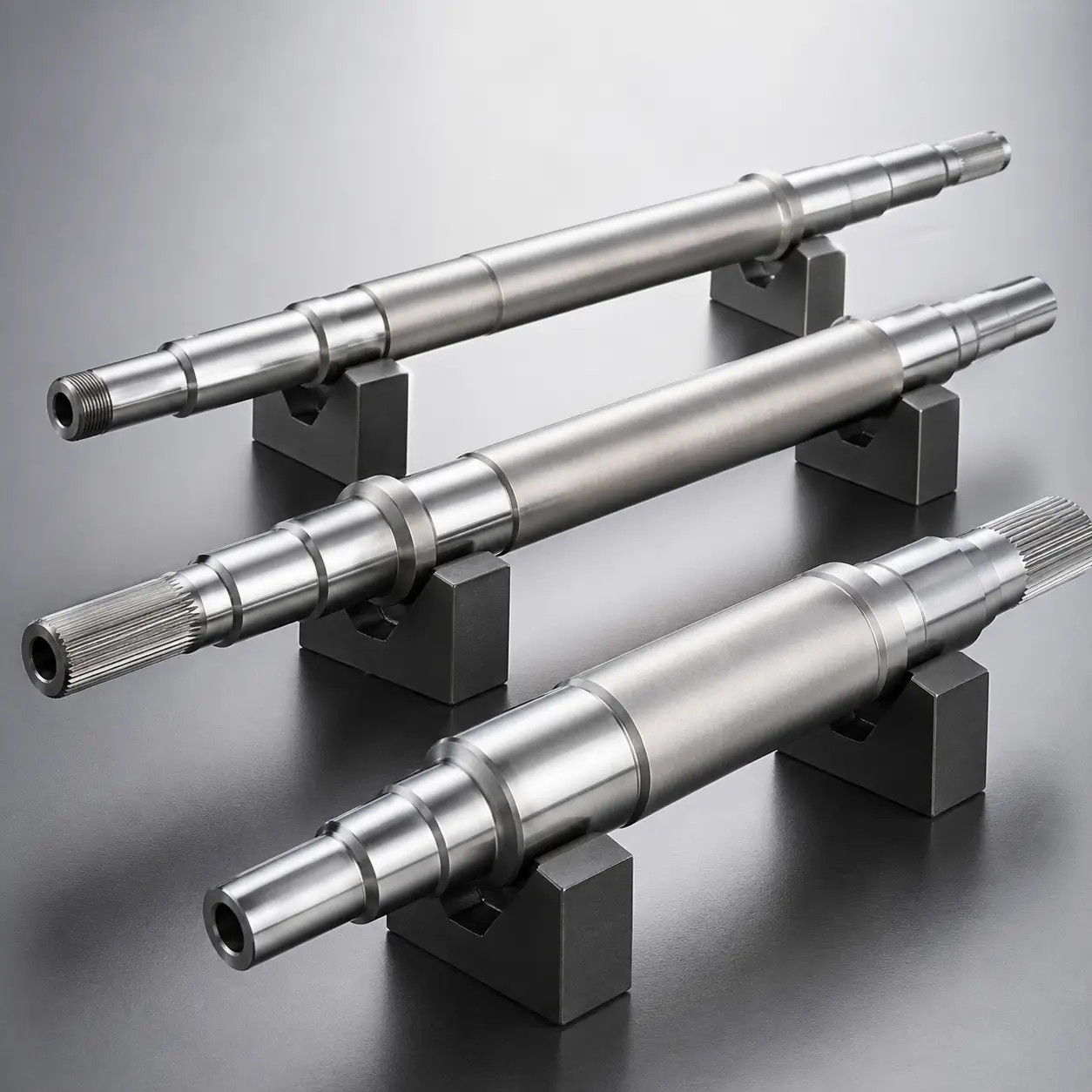
Titanium Forged Shafts

Titanium Forged Shafts

For pump shafts, marine shafts, drive components and high-strength rotating applications.

Best For Pump shafts, marine shaft parts, drive components, rotating equipment, high-strength mechanical assemblies and custom machined shaft parts.
Available Options Straight forged shafts, stepped shafts, rough machined shafts, custom length shafts and drawing-based shaft forgings.
Key Review Factors Diameter, length, straightness, strength requirement, machining allowance, heat treatment, NDT requirement and final application.
Titanium Forged Bars & Blocks

Titanium Forged Bars & Blocks

For CNC machining, structural components, tooling blanks and OEM machined parts.

Best For CNC machined components, structural parts, tooling blanks, equipment parts and custom OEM titanium machining projects.
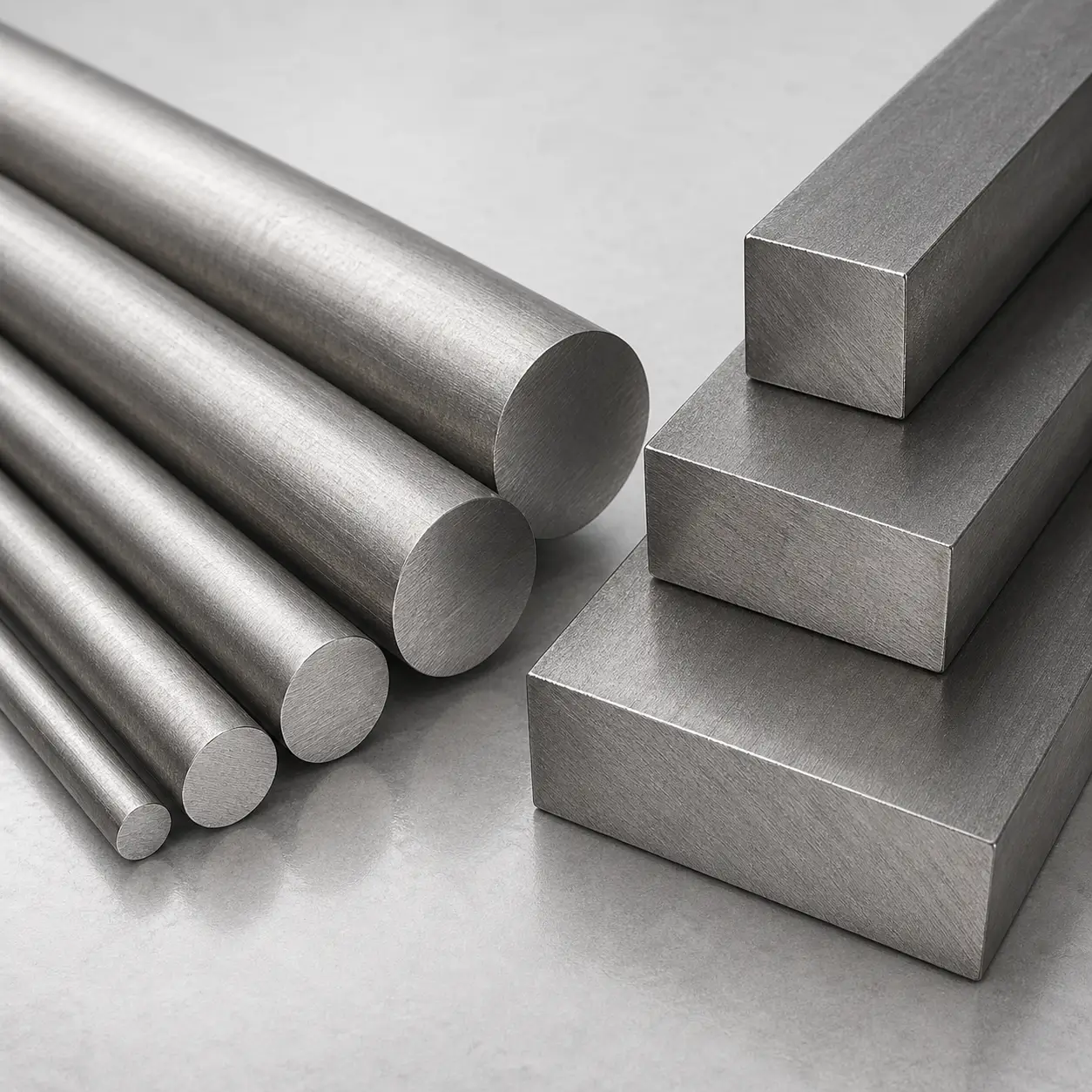
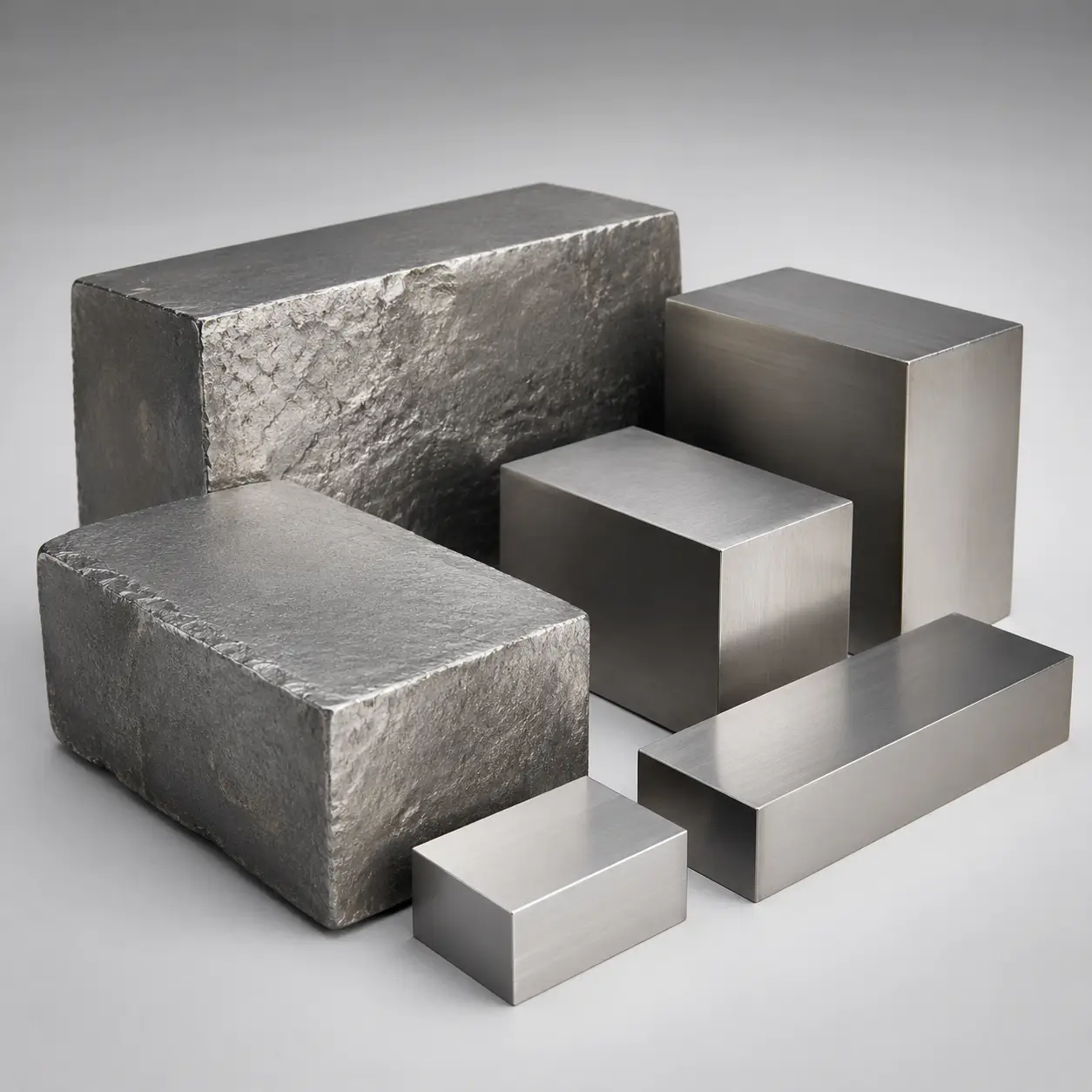
Available Options Forged bars, forged blocks, rectangular blanks, square blanks, rough machined blocks and custom forged machining blanks.
Key Review Factors Size, weight, titanium grade, forging route, machining allowance, grain direction, mechanical properties and delivery condition.
Titanium Forged Cylinders & Sleeves

Titanium Forged Cylinders & Sleeves

For hollow forged blanks, pump sleeves, bearing sleeves, pressure cylinders and tubular machined components.

Best For Pump sleeves, bearing sleeves, hollow cylindrical parts, pressure equipment components, marine assemblies and custom tubular titanium parts.
Available Options Forged cylinders, forged sleeves, hollow forged blanks, thick-wall sleeves, rough machined cylinders and drawing-based cylindrical forgings.
Key Review Factors OD, ID, wall thickness, length, concentricity, machining allowance, titanium grade, forging route, mechanical properties and UT requirement.
Titanium Forged Flanges

Titanium Forged Flanges

For pressure piping, chemical systems, seawater systems and custom flange machining.

Best For Chemical piping, seawater systems, pressure piping, pump and valve connections, heat exchangers and custom flange projects.
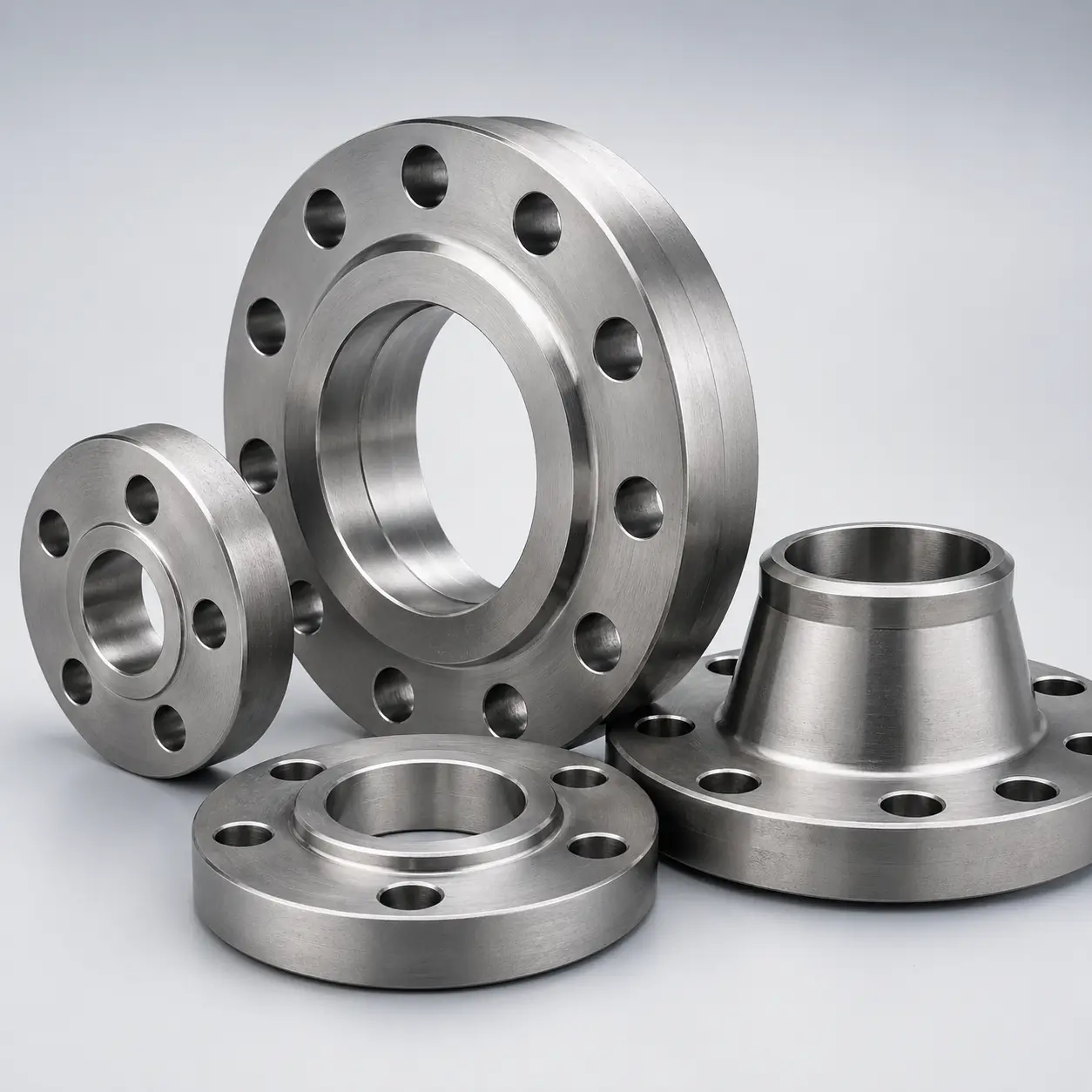
Available Options Forged flange blanks, weld neck flange blanks, blind flange blanks, custom flange rings and drawing-based forged flanges.
Key Review Factors Flange type, standard, pressure class, OD, ID, bolt circle, facing requirement, machining allowance and inspection documents.
Titanium Forged Nozzles & Special Shapes

Titanium Forged Nozzles & Special Shapes

For pressure vessels, equipment connections, custom transition parts and drawing-based components.

Best For Pressure vessel connections, equipment nozzles, transition components, special forged shapes and custom industrial assemblies.
Available Options Forged nozzles, stepped forgings, transition parts, special profiles and drawing-based titanium forged shapes.
Key Review Factors Drawing geometry, wall thickness, connection size, machining allowance, forging feasibility, grade, quantity and inspection level.
Custom Titanium Forged Components

Custom Titanium Forged Components

For drawing-based OEM parts, special geometries, custom alloys, machining allowance and inspection requirements.

Best For OEM machined parts, prototype forgings, project-specific titanium components, custom industrial parts and special equipment applications.
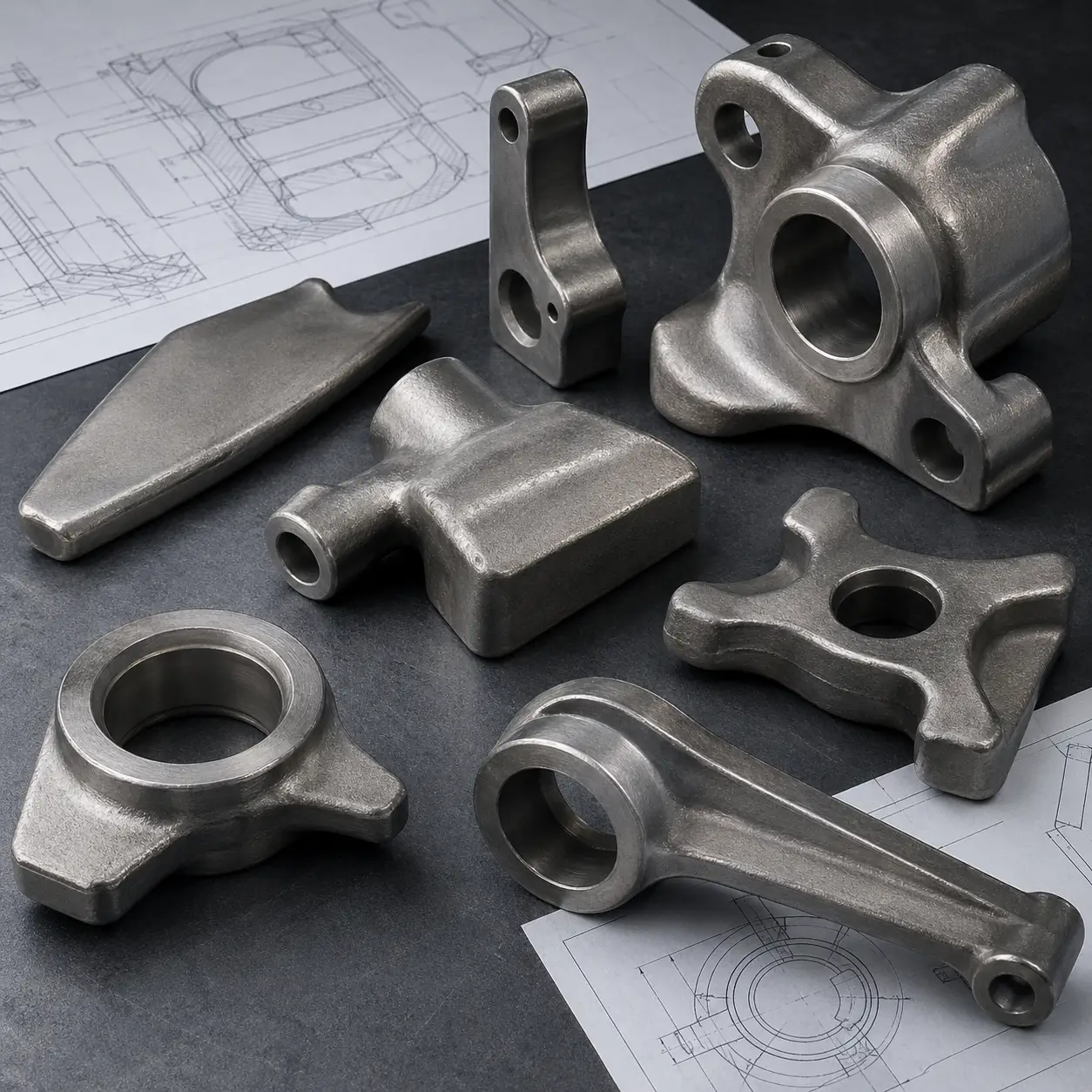
Available Options Custom forged rings, discs, shafts, blocks, cylinders, sleeves, flanges, nozzles, near-net-shape forgings and rough machined components.
Key Review Factors Drawing, titanium grade, final geometry, forging route, machining allowance, heat treatment, mechanical testing, NDT scope, quantity and delivery schedule.

Product Selection Note

Final titanium forging selection should be reviewed according to titanium grade, forging type, final part geometry, forging ratio, grain flow requirement, machining allowance, heat treatment, mechanical properties, NDT requirements, inspection level and documentation needs.

Need help selecting the right titanium forging type?

Selection Guide

How to Choose the Right Titanium Forging

Titanium forging selection should be reviewed according to forging type, final geometry, titanium grade, forging route, forging ratio, grain flow requirement, machining allowance, heat treatment, mechanical properties, NDT scope, inspection level and documentation requirements.

1

Confirm Forging Type

Choose titanium forged rings, rolled rings, forged discs, shafts, bars, blocks, flanges, nozzles or custom forged components according to final part geometry, application environment and machining requirements.

2

Define Final Geometry and Machining Allowance

Confirm final part size, rough forging size, OD, ID, length, thickness, height, weight, machining allowance, tolerance and drawing requirements before production review.

3

Match Titanium Grade to Application

Review Grade 2, Grade 5, Grade 7, Grade 9, Grade 12 or project-specific titanium alloys according to strength requirement, corrosion medium, toughness, weight reduction, machining performance and service conditions.

4

Review Forging Route and Heat Treatment

Review open-die forging, closed-die forging, rolled ring forging, forging ratio, grain flow direction, annealing, stress relief or project-specific heat treatment when required.

5

Specify Mechanical and NDT Requirements

Confirm tensile properties, yield strength, elongation, hardness, impact test, UT inspection, PT inspection, PMI, dimensional inspection or other inspection scope according to project requirements.

6

Prepare Documents and Delivery Requirements

Confirm Material Certificate / MTC, heat number traceability, chemical composition records, mechanical test records, NDT reports, dimensional records, product marking, labels, packing list and export documents.

Selection Note

Final titanium forging selection should be confirmed according to titanium grade, forging type, final geometry, forging route, forging ratio, grain flow requirement, machining allowance, heat treatment, mechanical properties, UT / PT / PMI requirements, inspection level, quantity and delivery schedule.

Need help reviewing your titanium forging requirements?

Material Guide

Common Titanium Grades for Forged Components

Titanium forging grade selection should be reviewed according to strength requirement, corrosion medium, forging route, heat treatment, machining allowance, mechanical properties and documentation needs.

Grade 2
Grade 2 titanium forging for chemical and marine applications

Commercially Pure Titanium

Grade 2 titanium forgings offer good general corrosion resistance, ductility and weldability. They are commonly reviewed for chemical equipment, seawater systems, industrial equipment and general corrosion-resistant forged parts.

  • Best For: General corrosion-resistant titanium forgings for chemical, marine and industrial applications.
  • Key Review Factors: Corrosion medium, forging route, machining allowance, weldability, mechanical properties and documentation requirements.
Typical Forged Products Forged rings, forged discs, forged flanges, forged blocks and custom corrosion-resistant components.
Grade 5
Grade 5 titanium forging for high-strength mechanical components

Ti-6Al-4V Titanium Alloy

Grade 5 titanium forgings provide high strength, good toughness and excellent strength-to-weight performance. They are commonly reviewed for structural components, shafts, load-bearing parts and aerospace-style lightweight components.

  • Best For: High-strength titanium forgings requiring mechanical performance and lightweight design.
  • Key Review Factors: Strength requirement, fatigue consideration, heat treatment, forging ratio, grain flow, machining allowance and inspection scope.
Typical Forged Products Forged shafts, forged bars, forged blocks, forged discs, rolled rings and custom machined components.
Grade 7
Grade 7 titanium forging for severe chemical environments

Palladium-Enhanced CP

Grade 7 titanium forgings provide enhanced corrosion resistance compared with standard commercially pure titanium grades. They can be reviewed for severe chemical environments, acidic media and chloride-containing service conditions.

  • Best For: Corrosion-resistant forged components for demanding chemical and acid service environments.
  • Key Review Factors: Chemical medium, chloride exposure, operating temperature, corrosion review, MTC, heat number traceability and project documentation.
Typical Forged Products Forged rings, forged flanges, forged nozzles, forged discs and custom chemical equipment components.
Grade 12
Grade 12 titanium forging for industrial and pump systems

Ti-Mo-Ni Titanium Alloy

Grade 12 titanium forgings are used for industrial corrosion-resistant applications involving chemical equipment, heat exchangers, pump and valve assemblies, seawater systems and demanding service environments.

  • Best For: Industrial corrosion-resistant titanium forgings for chemical, marine, heat exchanger and pump / valve applications.
  • Key Review Factors: Corrosion medium, temperature condition, pressure-related application, heat treatment, mechanical properties, inspection level and traceability.
Typical Forged Products Forged flanges, forged rings, forged discs, forged blocks, pump components and custom industrial forged parts.

Grade Selection Note: Final titanium forging grade selection should be confirmed according to strength requirement, corrosion medium, operating temperature, forging type, forging route, forging ratio, grain flow requirement, heat treatment, machining allowance, mechanical properties, NDT scope, inspection level and documentation needs.

Need help selecting the right titanium grade for your forged component?

Engineering Review of Custom Forgings

Custom Titanium Forged Products

Engineered to Performance, Not Just Shape

Standard forged stock cannot always meet the fatigue-life, grain-flow, or machining-efficiency needs of high-stakes components. We work with OEM engineers to transform drawings and performance requirements into forged titanium parts with controlled structure, optimized geometry, and inspection-ready documentation.

DFM-Optimized Engineering

  • drawing review and forging-route planning
  • grain-flow alignment guidance
  • forging ratio and machining allowance optimization

Tailored Material Science

  • Grade 2 for corrosion resistance
  • Grade 5 for structural strength
  • Grade 7 / Grade 12 for chemical service
  • Grade 23 for medical applications

Near-Net Shape Efficiency

  • open-die and closed-die capability
  • reduced material waste
  • lower CNC machining time and cost

Scalable & Traceable Production

  • prototype to mass production support
  • ASTM B381 compliance
  • MTC, NDT, and inspection reports available

Custom Geometry. Controlled Grain Flow. Certified Forged Integrity.

Quality Assurance

Quality Control for Titanium Forgings

Titanium forging quality depends on more than chemical composition. Forging route, forging ratio, grain flow, heat treatment, machining allowance, mechanical properties, dimensional accuracy, NDT inspection and traceability records all affect final part reliability and downstream machining performance.

Hele Titanium supports forging-specific quality control for titanium forged rings, rolled rings, discs, shafts, bars, blocks, flanges, cylinders, sleeves and custom titanium forged components according to drawings, specifications and project requirements.

1

Raw Material & Heat Number Verification

Titanium grade, chemical composition, heat number and raw material source records can be reviewed before forging production according to order requirements.

2

Forging Route & Process Review

Open-die forging, closed-die forging, rolled-ring forging route, forging ratio, grain flow consideration and process requirements can be reviewed according to part geometry and application needs.

3

Heat Treatment Review

Annealing, stress relief or project-specific heat treatment can be reviewed when required according to titanium grade, forging route, mechanical property requirements and applicable specifications.

4

Dimensional & Machining Allowance Inspection

OD, ID, length, thickness, height, rough forging size, machining allowance and drawing-based dimensions can be inspected to support downstream machining and final part accuracy.

5

Mechanical Property Testing

Tensile strength, yield strength, elongation, hardness or impact testing can be supported when required by order scope, material standard or project specification.

6

NDT Inspection Support

UT inspection, PT inspection or other non-destructive testing can be supported according to order scope and project standards. UT is commonly used to help detect internal discontinuities in forged components when required by project standards.

7

PMI / MTC / Traceability Review

PMI, Material Certificate / MTC, heat number traceability, chemical composition records, mechanical test records and inspection documents can be prepared according to project requirements.

8

Marking, Packing & Shipment Review

Product marking, heat number identification, labels, surface protection, wooden case packing, packing list and export documents can be arranged according to shipment and destination requirements.

Inspection Records & Shipment Deliverables

Titanium forging shipments can be supported with inspection records and traceability documents according to order requirements.

  • Material Certificate / MTC support
  • Heat number traceability
  • Chemical composition records
  • Mechanical property test records when required
  • Dimensional inspection records
  • Machining allowance inspection notes
  • UT inspection report when required
  • PT inspection report when required
  • PMI report when required
  • Heat treatment records when required
  • Surface inspection notes
  • Product marking and labels
  • Packing list and export documents
  • Third-party inspection support when required

Quality Control Note

Final inspection scope should be confirmed according to titanium grade, forging type, final geometry, forging route, forging ratio, grain flow requirement, machining allowance, heat treatment, mechanical properties, UT / PT / PMI requirements, dimensional inspection level, documentation needs and delivery schedule.

Request Sample QC Documents

Custom Titanium Forgings for Global Industry Leaders

In high-stakes engineering, one-size-fits-all forgings do not exist. We tailor titanium grades, forging ratios, grain-flow direction, heat treatment, and inspection standards to the exact performance requirements of each industry.

Aerospace Titanium Forgings

Aerospace & Defense

Forging Focus: Forged rings, discs, bulkheads, shafts, and structural brackets

Recommended Grade: Grade 5, Ti-6242, and high-temperature titanium alloys

Challenge: Flight-critical components require low weight, high fatigue resistance, and strict internal soundness

Solution: Controlled grain flow, low-oxygen microstructure control, and 100% UT support improve fatigue reliability

Medical Titanium Forgings

Medical Device & Implants

Forging Focus: Grade 23 discs, implant blanks, surgical components

Recommended Grade: Grade 23 ELI / ASTM F136 / ISO 5832-3

Challenge: Implant-grade components require purity, biocompatibility, and refined structure

Solution: High-purity forged discs and blanks support safe long-term human-contact applications

Chemical Titanium Forgings

Chemical & Petrochemical

Forging Focus: Forged flanges, valve bodies, blocks, and pressure-boundary parts

Recommended Grade: Grade 2, Grade 7, Grade 12

Challenge: Aggressive acids, pressure, heat, and thermal cycling demand reliable corrosion-resistant parts

Solution: ASTM B381 forged titanium components provide dense pressure-boundary integrity and chemical resistance

Marine Titanium Forgings

Marine & Offshore Engineering

Forging Focus: Forged shafts, stabilizer rings, subsea fittings, and housings

Recommended Grade: CP titanium, Grade 7, Grade 12

Challenge: Seawater, pressure, galvanic corrosion, and long service intervals threaten equipment reliability

Solution: Forged titanium delivers chloride resistance, structural strength, and long-term subsea endurance

High-performance forgings built with precision, delivered with confidence.

Why Choose Hele Titanium

Why Buyers Choose Hele Titanium for Titanium Forgings

Titanium forging projects require more than raw material supply. Buyers need the right titanium grade, suitable forging route, proper machining allowance, reliable mechanical performance, inspection records and export-ready documentation. Hele Titanium supports titanium forging projects from drawing review to forged blank supply, machining support and shipment documentation according to project requirements.

Titanium Material Knowledge

We help review Grade 2, Grade 5, Grade 7, Grade 12 and other titanium materials according to corrosion medium, strength requirement, forging route, heat treatment, machining performance and application environment.

Forging Route Review

Open-die forging, closed-die forging, rolled-ring forging and custom forging routes can be reviewed according to part size, geometry, forging ratio, grain flow requirement, quantity and final application.

Machining Allowance and DFM Support

Machining allowance, rough forging size, final part geometry, CNC machining needs and drawing tolerance can be reviewed to help reduce material waste, machining risk and dimensional problems.

Grade Selection for Strength and Corrosion

Titanium grade selection can be reviewed according to mechanical strength, corrosion resistance, temperature condition, pressure-related service, seawater exposure, chemical medium and long-term reliability requirements.

NDT, Mechanical Testing and Traceability

UT inspection, PT inspection, PMI, dimensional inspection, mechanical testing, MTC, heat number traceability and inspection records can be supported when required by project scope or customer specification.

Export Packing and Project Delivery Support

Product marking, heat number identification, protective packing, wooden case packing, packing list, labels and export documents can be arranged to support international delivery and project receiving.

Buyer Support Note

Final supply scope should be confirmed according to titanium grade, forging type, final geometry, forging route, forging ratio, grain flow requirement, machining allowance, heat treatment, NDT requirements, mechanical properties, quantity, packing method and delivery schedule.

Work with a titanium forging supplier focused on material selection, forging route review, machining support and traceable project delivery.

Titanium Forgings: Frequently Asked Questions

Find quick answers about forging methods, titanium grades, ASTM B381 standards, heat treatment, NDT inspection, lead time, and RFQ requirements.

What is a titanium forging compared with a cast part?
A forging is shaped using thermal-mechanical pressure, which compresses and refines the internal grain structure. A cast part is formed by pouring molten titanium into a mold. Forging eliminates internal voids and aligns the grain flow with the part's shape, making it structurally superior and more reliable under high loads.
Why does forged titanium have better fatigue resistance?
The forging process breaks down the coarse, as-cast microstructure. It creates a continuous, directional grain flow that acts like the grain in wood, resisting crack propagation and cyclic fatigue far better than the random, potentially porous structure of cast or simply machined bar stock.
How does titanium’s strength-to-weight ratio compare with steel?
Titanium is approximately 45% lighter than steel but offers comparable or superior tensile strength (especially in alloy forms like Grade 5). This makes forged titanium ideal for aerospace and rotating equipment where reducing mass without sacrificing structural integrity is critical.
Does forging affect titanium’s corrosion resistance?
No. Titanium's exceptional corrosion resistance comes from its stable, continuous oxide layer. Forging does not compromise this chemistry; in fact, a dense, void-free forged structure ensures there are no internal pathways for aggressive media if surface wear occurs.
Which titanium grades are most common for forging?
Grade 2 (CP) is common for chemical/marine corrosion resistance. Grade 5 (Ti-6Al-4V) is the standard for high-strength structural parts. Grade 7 and 12 are used for extreme chemical environments. Grade 23 (ELI) is specifically for medical implants requiring high purity.
What is ASTM B381?
ASTM B381 (and ASME SB381) is the standard specification for titanium and titanium alloy forgings. It dictates chemical composition, mechanical properties, allowable tolerances, and testing requirements to ensure industrial-grade reliability.
Why is heat treatment necessary after forging?
Heat treatment (like annealing) is crucial to relieve internal stresses generated during the heavy deformation of forging. It stabilizes the microstructure, ensures uniform mechanical properties, and optimizes the material for subsequent CNC machining.
When should Grade 5, Grade 7, Grade 12, or Grade 23 be selected?
Select Grade 5 for maximum strength (aerospace/shafts). Select Grade 7 (Palladium added) for extreme acidic/reducing environments. Select Grade 12 for a balance of heat/corrosion resistance and cost. Select Grade 23 for biocompatible medical implants requiring low interstitial elements.
What is the difference between open-die and closed-die forging?
Open-die forging uses flat or simple dies to shape large, simple geometries (blocks, large shafts) with high flexibility and low tooling cost. Closed-die forging uses custom molds to press the metal into a specific near-net shape, ideal for high-volume, complex parts with minimal waste.
What is rolled ring forging used for?
Rolled ring forging expands a pierced blank into a seamless ring. This creates a continuous, circular grain flow that provides exceptional radial and tangential strength, making it perfect for jet engine casings, high-pressure flanges, and industrial bearings.
What challenges are unique to forging titanium?
Titanium has a narrow forging temperature window. If too hot, grain growth occurs (weakening the part); if too cold, cracking risk increases. It is also highly reactive to oxygen at high temperatures, requiring strict atmospheric and thermal control during the process.
How do you verify there are no hidden internal defects?
We utilize Non-Destructive Testing (NDT), primarily Ultrasonic Testing (UT), which uses high-frequency sound waves to detect internal voids, inclusions, or cracks without damaging the part. Surface integrity is verified using Penetrant Testing (PT).
Why are forgings more expensive than bar stock or castings?
The initial cost is higher due to the energy-intensive thermal-mechanical processing, custom tooling (for closed-die), and extensive NDT requirements. However, forgings often offer a lower total cost of ownership by preventing catastrophic failures, reducing material waste, and lowering CNC machining time.
What information do you need for a precision quote?
To provide an accurate quote, we need the titanium grade, standard required (e.g., ASTM B381), final dimensions or 2D/3D drawings, machining allowance expectations, required quantity, and any specific NDT (UT/PT) or heat treatment requirements.
What are typical lead times for custom titanium forgings?
Lead times vary based on complexity, billet availability, and tooling requirements. Standard open-die blocks or rings might take 3-5 weeks, while complex closed-die custom shapes requiring new tooling and extensive first-article inspection can take 6-10 weeks.
Can you provide MTC, NDT reports, and third-party inspection?
Yes. We provide full EN 10204 3.1 Material Test Certificates (MTC), UT/PT inspection reports, dimensional logs, and heat treatment charts. We also welcome and regularly coordinate with third-party inspection agencies like SGS, TUV, or BV.

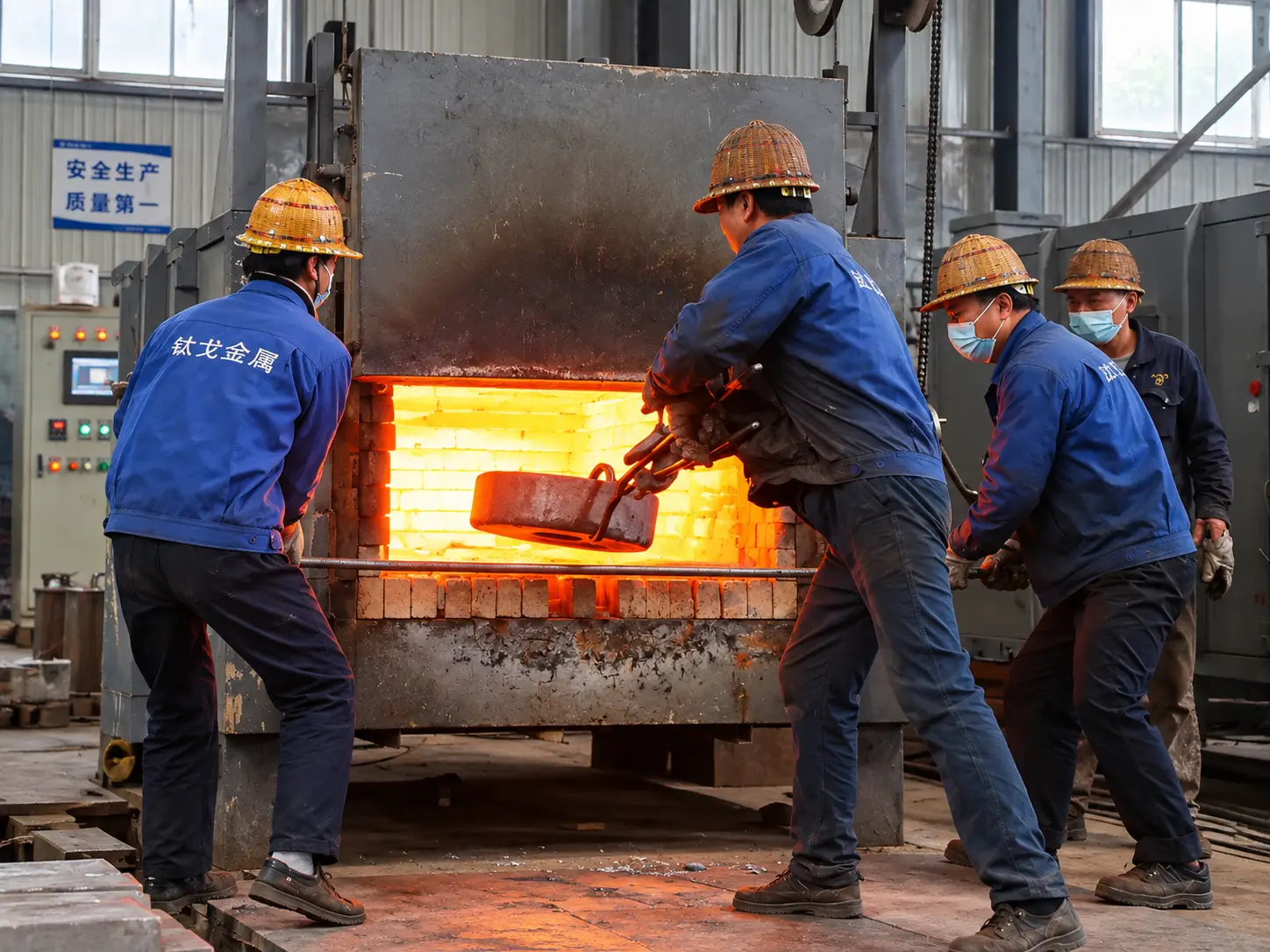
Inside Our Manufacturing & Quality System

See how we produce, inspect, and document titanium products as a direct manufacturing partner.

Need production photos, inspection records, or documentation support? Contact our team for direct factory assistance.

The Definitive Guide to Titanium Forgings

Read Time: 18 Minutes Author: Hele Titanium Engineering Team Last Updated: 2026

Titanium forging is not only a shaping process. It is a thermal-mechanical method for improving internal structure, fatigue resistance, and long-term reliability. This guide helps engineers and procurement teams understand forging methods, titanium grade selection, inspection requirements, and RFQ considerations for high-integrity forged titanium components.

Before You RFQ Titanium Forgings, Confirm These 3 Things

  • Which forged form do you need: ring, disc, shaft, block, flange, bar, or custom near-net shape?
  • Which performance requirement matters most: fatigue resistance, corrosion resistance, high strength, purity, or dimensional stability?
  • What standards and inspection documents are required: ASTM B381, UT, PT, MTC, heat treatment record, or third-party inspection?

1. What Is Titanium Forging — And Why It Matters

Titanium forging uses controlled pressure and temperature to shape titanium while refining the internal grain structure. Unlike casting, which simply pours liquid metal into a mold, forging mechanically works the solid metal. This eliminates internal voids and aligns the grain structure to the part's shape. When you specify forged titanium, you are purchasing metallurgical certainty and structural reliability, not just a shape.

2. The Physics of Performance: Grain Flow

Grain flow alignment is the secret to forged strength. During forging, the metal grains deform and flow along the contours of the component. This continuous grain structure acts like the grain in wood—it is incredibly strong along its length. For parts like forged shafts, rings, discs, and aerospace brackets, this aligned grain flow dramatically improves fatigue resistance and impact strength compared to parts machined from standard bar stock where the grain is cut across.

3. Forging Process Comparison

Process How It Works Best For Advantages Precision Tooling Cost
Open-Die Forging Metal is shaped between flat dies without enclosing it. Large blocks, simple shafts, discs. High flexibility, fast setup. Low (requires more machining) Low
Closed-Die Forging Metal is pressed into custom-shaped molds. Complex geometries, OEM parts. Near-net shape, material savings. High High
Rolled Ring Forging A pierced blank is expanded into a ring via rollers. Bearings, flanges, turbine rings. Continuous circular grain flow. Medium-High Medium
Isothermal Forging Dies and metal are kept at the same high temperature. Aerospace jet engine discs (superalloys). Ultra-precise, complex shapes. Very High Very High

4. Forged vs. Cast vs. Machined: The Ultimate Comparison

Method Grain Structure Internal Defect Risk Fatigue Resistance Material Yield Typical Use Logic
Forged Titanium Refined, contoured flow Very Low Excellent High (near-net) High-stress, critical safety, dynamic loads.
Cast Titanium Random, coarse High (porosity) Moderate Very High Complex internal cavities, lower stress apps.
Machined from Billet Unidirectional, cut across Low Good Low (high waste) Low volume, simple shapes, fast prototyping.
Warning: For critical rotating, pressure-boundary, or fatigue-loaded components, cast titanium should be avoided unless the design and inspection requirements fully support it.

5. Titanium Alloy Selection Guide

Grade Type Strength Corrosion Resistance Best Use Case
Grade 2 CP (Commercially Pure) Moderate Excellent Chemical processing, marine flanges, general industry.
Grade 5 Ti-6Al-4V (Alloy) Very High Good Aerospace structures, high-load shafts, fasteners.
Grade 7 CP + Palladium Moderate Extreme Aggressive chemical environments, reducing acids.
Grade 12 Ti-0.3Mo-0.8Ni High Very Good Heat exchangers, high-temperature chemical service.
Grade 23 Ti-6Al-4V ELI Very High Good (Biocompatible) Medical implants, surgical devices.
Ti-6242 Ti-6Al-2Sn-4Zr-2Mo Ultra High Good High-temp jet engine compressor discs.

6. Common Forged Product Forms

We produce a variety of forged forms tailored to downstream manufacturing:

Forged Form Typical Geometry Application Logic Inspection Focus
Forged Rings Seamless circular Rotational symmetry, burst resistance. UT for internal voids.
Forged Discs Flat circular blanks Turbine hubs, medical implant blanks. Thickness uniformity, center soundness.
Forged Shafts Long cylinders Torsional load transfer, agitators. Straightness, surface PT.
Forged Blocks Rectangular/Square Starting stock for complex CNC milling. Isotropic properties, core UT.

7. Industry Applications

Industry Common Forged Parts Key Benefits Typical Alloys
Aerospace & Defense Landing gear, engine rings, bulkheads High strength-to-weight, fatigue life Gr 5, Ti-6242
Medical Joint replacements, cranial plates Biocompatibility, pure structure Gr 23 ELI
Marine & Offshore Propeller shafts, subsea housings Seawater corrosion resistance Gr 2, Gr 5
Chemical & Industrial Flanges, valve bodies, agitators Chemical inertness, pressure boundary Gr 2, Gr 7, Gr 12

8. Global Standards & Compliance

Industrial titanium forgings are governed by strict standards to ensure safety and interchangeability. ASTM B381 (and its ASME equivalent, SB381) is the primary specification defining the chemical and mechanical requirements for titanium forgings. For medical applications, ASTM F136 and ISO 5832-3 dictate the ultra-high purity requirements for Grade 23 ELI. NDT practices reference ASTM E114 for Ultrasonic Testing logic and ASTM E165 for Penetrant Testing. All compliant deliveries should be accompanied by an EN 10204 3.1 MTC (Material Test Certificate).

9. Quality Assurance & NDT

Testing is divided into mechanical verification and non-destructive evaluation.

Mechanical & Performance Testing

  • tensile testing
  • hardness testing
  • impact testing
  • fracture toughness testing

NDT Methods

  • UT (Ultrasonic Testing)
  • PT / DPI (Penetrant Testing)
  • Eddy Current
  • visual and dimensional inspection

Why UT is critical: Ultrasonic Testing is especially important for forgings because it is the only reliable way to detect deep internal voids, inclusions, or un-welded center porosity that cannot be seen on the surface.

10. Design for Manufacturability: Forging Optimization

  • confirm final geometry and machining allowance
  • specify near-net shape expectations
  • include draft angles for closed-die forgings
  • define forging ratio or grain-flow expectations
  • specify heat treatment
  • specify NDT requirements early
  • provide 2D / 3D drawings and quantity
TITANIUM FORGING INQUIRY

Get Your Custom Titanium Forging Solution

Tell us your forged part type, titanium grade, dimensions, drawing requirements, mechanical properties, inspection standards, quantity, and application environment. Our engineering team will recommend the most suitable forging route for your project.

  • ASTM B381 Titanium Forgings
  • Open-Die / Closed-Die / Rolled Ring Capability
  • UT, MTC & Full Traceability Support

Direct Contact

[email protected]

We typically respond within 24 hours.